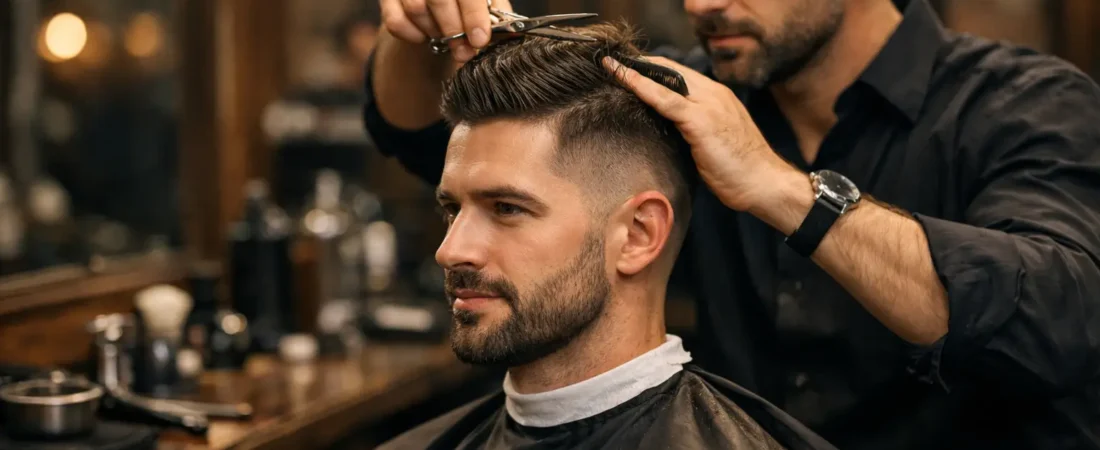
A great haircut should still look intentional after the appointment is over. That is where a scissor haircut in Brooklyn stands apart. Rather than relying on one uniform length or an overly aggressive fade, a skilled scissor cut creates shape that works with your hair’s density, texture, growth pattern, and daily routine.
For men in Williamsburg, East Williamsburg, Bushwick, and nearby neighborhoods, that level of precision matters. You may want enough structure to look polished at work, but enough natural movement to feel like yourself on the weekend. A scissor cut can deliver both when it is planned around the person in the chair, not just a reference photo.
What Makes a Scissor Haircut Different?
Clipper work is essential to modern barbering, especially for clean tapers, skin fades, and short sides. Scissors serve a different purpose. They give the barber greater control over length, weight, and the way hair settles across the head. This is particularly valuable on the top, around the crown, and in areas where your hair changes direction.
With scissors, a barber can remove bulk without making the cut look thin, build soft texture without creating choppy layers, and connect longer areas with a more natural finish. The result is not simply longer hair. It is hair that has been shaped with intention.
That distinction is especially noticeable as the haircut grows out. A well-executed scissor cut tends to keep its balance longer because the shape accounts for how the hair will move after two, three, or four weeks. It does not eliminate the need for regular grooming, but it can make the time between appointments look more refined.
Choosing the Right Scissor Haircut in Brooklyn
The best cut depends on more than face shape. Hair texture, density, cowlicks, beard style, profession, and maintenance preferences all affect the final decision. A man with thick, straight hair may need weight removed through the sides and crown so the style does not sit too wide. Someone with fine hair may benefit from carefully preserved density and a shape that creates the appearance of fuller hair.
A classic side-part style, a textured crop with a softer finish, medium-length hair brushed back, and a longer layered cut can all be created with scissors. The right choice comes down to the look you want and the effort you are willing to put into styling it. More length can offer more versatility, but it usually requires more attention in the morning. A shorter, structured scissor cut is easier to manage, though it may need maintenance appointments more often to keep its outline crisp.
Bring a reference if you have one, but treat it as a starting point. The same haircut can look completely different depending on hairline, texture, and density. An experienced barber should use the image to understand the direction you prefer, then adapt the details so the result works in real life.
Scissor Haircut Brooklyn Clients Can Make Their Own
There is a reason precision scissor cuts appeal to men who want a polished look without appearing overly styled. They can be tailored to feel classic, relaxed, creative, or professional. The aim is not to force every client into a trend. It is to create a cut that looks considered from every angle and remains easy to wear.
For a more traditional profile, scissors can preserve a clean shape through the top while keeping the transition into the sides soft and balanced. For men with longer hair, they allow for controlled layering and movement, avoiding the heavy, one-length effect that can make hair look bulky. If you prefer a modern taper, scissor work on top adds texture and proportion that elevates the fade below it.
The smallest decisions often make the biggest visual difference: where the part naturally falls, how much weight stays near the temples, whether the fringe is softened or kept defined, and how the crown is blended. These are details that cannot be rushed if the goal is a haircut that feels personal rather than generic.
The Consultation Sets the Standard
Before the first cut, a productive consultation should be direct and specific. Explain what you like about your current haircut, what frustrates you, and how much time you realistically spend styling each day. If your sides flare out quickly, your crown sticks up, or your hair loses shape by the end of the workday, say so. Those details help guide the cut.
A good barber will also look at the condition and behavior of your hair before recommending a direction. Some styles need more length than clients expect. Others look better when the hair is kept cleaner around the ears and neckline. Expert guidance is not about making the decision for you. It is about giving you a clear understanding of what will suit your hair and your routine.
At Gentlemen’s Barbershop, the focus is on that personalized approach: taking the time to create a precision haircut with a finish that fits the client, not the clock.
How to Keep a Scissor Cut Looking Its Best
Maintenance starts with choosing the right finish for your lifestyle. If you prefer a natural look, a light styling cream or matte paste may provide enough control without making the hair feel stiff. For a more defined side part or brushed-back style, a pomade or styling product with additional hold may be a better fit. The product should support the haircut’s shape, not cover it up.
Drying technique matters as well. Use your hands or a brush to guide the hair in the direction you want while it is still slightly damp. Even a minute of purposeful drying can make a scissor cut sit more cleanly, especially when working with a cowlick or medium-length top.
Your return schedule depends on the cut. Men who keep a short taper or neat perimeter may want a refresh every few weeks. Medium and longer scissor styles can often go longer, provided the weight and shape continue to sit well. If the cut begins to feel heavy at the sides, disconnected at the crown, or difficult to style, it is usually time for an appointment.
When to Pair Scissors With a Taper or Fade
A scissor haircut does not have to mean the entire head is cut with scissors. In fact, one of the most versatile approaches combines scissor work on top with a taper fade or skin fade through the sides. This gives you clean, close detail where it counts while preserving movement and texture above.
The trade-off is maintenance. A sharper fade has a shorter window before it grows out, while a softer taper can remain balanced for longer. If you want a crisp, high-contrast look for a regular schedule of events or client meetings, the closer finish may be worth the additional upkeep. If you prefer a more relaxed profile, a low taper paired with a scissor-cut top often offers an excellent middle ground.
The right scissor cut should make getting ready feel easier, not more complicated. Tell your barber how you wear your hair on a normal Tuesday, not only how you want it to look for a special occasion. That honest starting point is how a precise cut becomes a dependable part of your routine.