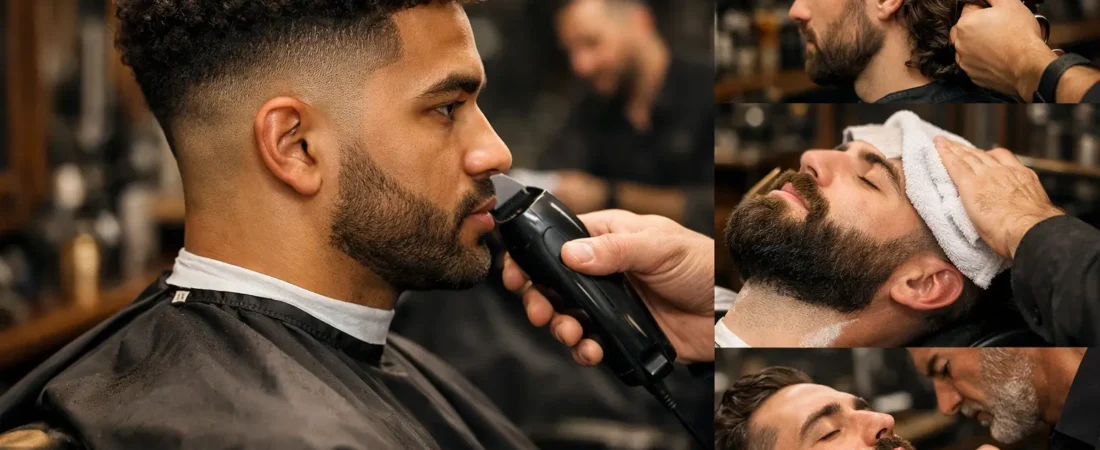
Curly hair has built-in character. The right fade gives that texture a clean frame without taking away the shape, volume, or movement that makes curls stand out. The best fades for curly hair are not one-size-fits-all. A good choice depends on your curl pattern, hair density, face shape, lifestyle, and how much contrast you want between the sides and the top.
For men who want a polished haircut that still feels natural, the goal is balance. Your barber should read the way your curls sit, account for shrinkage, and create a transition that looks intentional from every angle. A fade can be subtle and understated or sharp and high-contrast, but it should always support the haircut above it.
What Makes a Fade Work With Curly Hair
Curls change the way a fade reads. Dense, tight curls can create a strong visual line between the top and the sides, while looser curls may blend more gradually into the fade. That means the same fade height can look completely different from one client to the next.
The most considered curly cuts preserve enough length at the transition point. Taking the fade too high can make the top appear disconnected, especially if the curls have significant volume. Leaving it too low, on the other hand, can feel heavy around the temples and nape. Precision matters most in that middle ground, where the haircut moves from clean sides to textured length.
A skilled barber will also factor in shrinkage. Curly hair often appears shorter once dry, so the top should be shaped with its natural spring in mind. This is one reason a premium haircut is more than selecting a number on the clippers. It is about placing weight, managing proportion, and refining the final silhouette.
Low Taper Fade: The Most Versatile Choice
For many men, the low taper is one of the best fades for curly hair because it keeps the natural focus on the curls. The fade stays concentrated around the sideburns and neckline, leaving more fullness through the sides. It is clean enough for a professional setting but relaxed enough for everyday wear in Williamsburg or Brooklyn.
This option works particularly well for medium to long curls, curlier fringe styles, and rounded shapes that need support at the sides. It also grows out gracefully. If you do not want to be in the barbershop every week, a low taper offers a refined finish without a harsh line appearing too quickly.
The trade-off is subtlety. A low taper will not deliver the dramatic contrast of a high skin fade. For clients who want the sides to look extremely tight or who prefer a more defined profile, a mid fade may be the better fit.
Best for
A low taper suits men with loose curls, coils, medium-length textured tops, and longer curly styles. It is also an excellent choice when you wear glasses, since it keeps the area around the temples neat without exposing too much scalp.
Mid Fade: Clean Structure Without Losing Balance
The mid fade begins higher on the head, generally around the midpoint between the temple and the upper curve of the ear. It creates more definition than a low taper while still leaving enough room for curls to blend naturally into the sides.
This is often the strongest all-around choice for clients with dense curls or a fuller top. It removes bulk through the lower sides, sharpens the profile, and keeps the haircut looking deliberate as the curls grow. A mid fade can also help visually lengthen a rounder face by reducing width around the temples.
The key is not rushing the blend. With curly hair, a fade should transition in small, controlled steps. When the blend is too aggressive, the haircut can look hollow or disconnected. When it is properly tailored, the side profile feels clean while the top retains its presence.
A mid fade pairs especially well with a shaped curly crop, short coils, a textured quiff, or curls styled forward. Add a precise lineup only if it suits your natural hairline. A lineup should enhance the haircut, not force an unnatural shape that will look severe as it grows in.
High Fade: For Strong Contrast and a Sharper Profile
A high fade removes more hair from the sides and pushes the visual weight toward the top. It can look excellent with tight curls, defined coils, and shorter textured styles where you want the curl pattern to take center stage.
This cut is a confident choice, but it has less room for error. High fades expose more of the head shape and make the top-to-side transition more noticeable. If your curls are thin, very loose, or uneven in density, going too high may make the top look smaller than intended. A barber may recommend keeping the fade slightly lower or retaining more weight near the ridge to protect the overall proportion.
For the right client, though, a high fade delivers a crisp, modern result. It works well when you prefer a clean neckline, sharper temples, and a haircut that feels fresh immediately after the appointment. Expect more frequent maintenance if you want that tight finish to remain consistent.
Skin Fade vs. Shadow Fade for Curly Hair
The choice between a skin fade and a shadow fade comes down to contrast. A skin fade takes the lowest portion down to the skin, creating the cleanest possible finish at the base. A shadow fade leaves a soft trace of hair, which gives the blend a slightly more natural appearance.
A skin fade can make dense curls look especially defined because the contrast is so clear. It is a strong fit for men who like a polished, close-cut perimeter and are comfortable returning for regular upkeep. The downside is that regrowth becomes visible sooner, particularly along the sideburns and neckline.
A shadow fade is more forgiving and often better for clients who want a softer, more classic feel. It can still be precise and refined, but the transition is less stark. For curls with lighter density or a softer texture, that gentler graduation may create a more balanced result.
Neither is automatically better. The right option depends on whether you want the fade to be a statement or a supporting detail.
Drop Fades Add Shape Around the Back
A drop fade follows the natural curve behind the ear and dips lower toward the nape. Instead of moving straight around the head, it creates a rounded profile that can complement curls beautifully.
This shape is particularly effective when the top has volume toward the crown. The curve of the drop fade mirrors the haircut’s natural contour, helping the style look connected rather than boxy. It works with short curly crops, sponge-textured coils, and medium curls that have been shaped with scissors.
Because the fade is customized around the head, this is a cut worth discussing in the chair rather than requesting by name alone. Your barber can adjust the depth of the drop and the level of contrast based on your hairline, crown pattern, and preferred finish.
Choosing a Fade Based on Your Curl Type and Routine
Your routine should influence the decision as much as your inspiration photos. If you prefer a low-maintenance cut and like a little natural growth between appointments, a low taper or shadow fade is usually the practical move. If you keep your grooming schedule tight and want a more defined edge, a mid or high skin fade may suit you better.
Hair density matters too. Thick, dense curls can handle more fade because there is enough volume on top to hold the silhouette. Fine curls often benefit from a lower fade and careful scissor work, which preserves fullness where it counts. Men with receding temples may prefer a taper that respects the natural hairline rather than an overly sharp, high-contrast design.
Bring a clear idea of how you normally wear your hair. Do you let it air dry? Use curl cream? Keep it short and brushed forward? Those details help your barber choose the right fade placement and finish. A haircut should look strong on an ordinary Tuesday morning, not only when it has just left the chair.
Maintaining a Curly Fade Between Appointments
A fade looks best when the curls above it are healthy and defined. Use a moisturizing shampoo on an appropriate schedule for your hair, condition regularly, and avoid heavy products that leave buildup at the roots. For styling, a small amount of curl cream or lightweight leave-in can help shape the top without flattening it.
Avoid brushing dry curls aggressively, especially if you want to preserve definition. Instead, work product through damp hair with your fingers or a wide-tooth comb, then let the texture settle naturally. If your fade includes a lineup or skin finish, plan on more frequent visits to keep the perimeter crisp.
At Gentlemen’s Barbershop, the best result starts with a conversation about your hair, your routine, and the level of polish you want. Choose the fade that supports your natural curls, then give it the care and maintenance that lets the craftsmanship show.